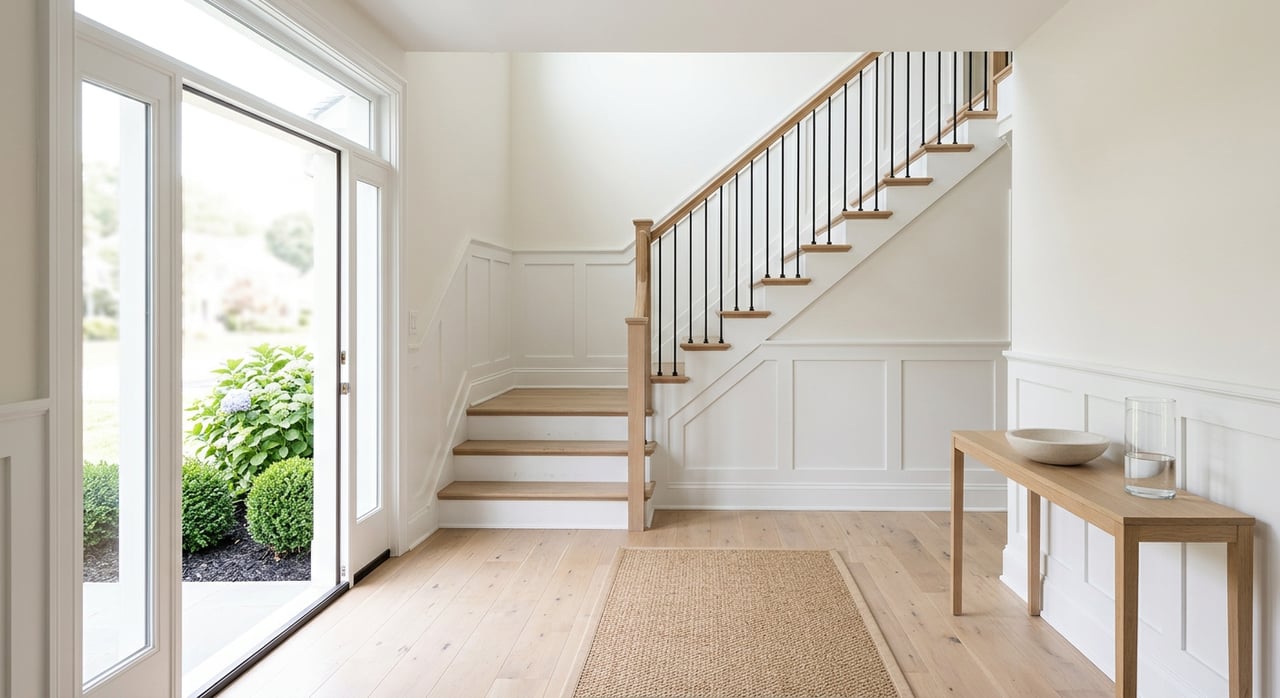
Trying to choose between a Colonial and a split level in Dix Hills? You are not alone. Floor plan fit shapes your daily life, from where backpacks land after school to how you host on weekends. In this guide, you will see how the most common Dix Hills home styles live, what they cost to update, and which ones match your priorities for schools, space, and commute. Let’s dive in.
Why Dix Hills buyers weigh layout first
Dix Hills attracts buyers who want space, usable yards, and access to Half Hollow Hills schools. The district receives frequent recognition in statewide and national rankings, which helps explain why families prioritize this area and often pay a premium for the right home within its boundaries. You can browse recent district highlights on the Half Hollow Hills Central School District site.
On pricing, measures vary depending on the data source and how many sales closed that month. Redfin reported a median sale price around 1.8 million dollars in January 2026 for Dix Hills, which can swing with small monthly samples. Zillow’s ZHVI, a smoothed index, showed a typical home value near 1.11 million dollars as of January 31, 2026. Take these together as a range rather than a single target. Local Census data also shows a high household income profile and strong owner-occupied home values in Dix Hills, which supports steady buyer demand. See the Census Reporter profile for context.
Commute and daily logistics also shape choices here. Dix Hills does not have an LIRR station, so many residents drive to nearby options such as Huntington on the Port Jefferson Branch or Main Line stations like Deer Park or Wyandanch. You can see context for Huntington service on the MTA’s Huntington Station page. If you park and ride, garage size and driveway capacity matter.
Colonial vs split level: the quick take
If you are deciding between a Colonial and a split level, focus on how you want to live day to day.
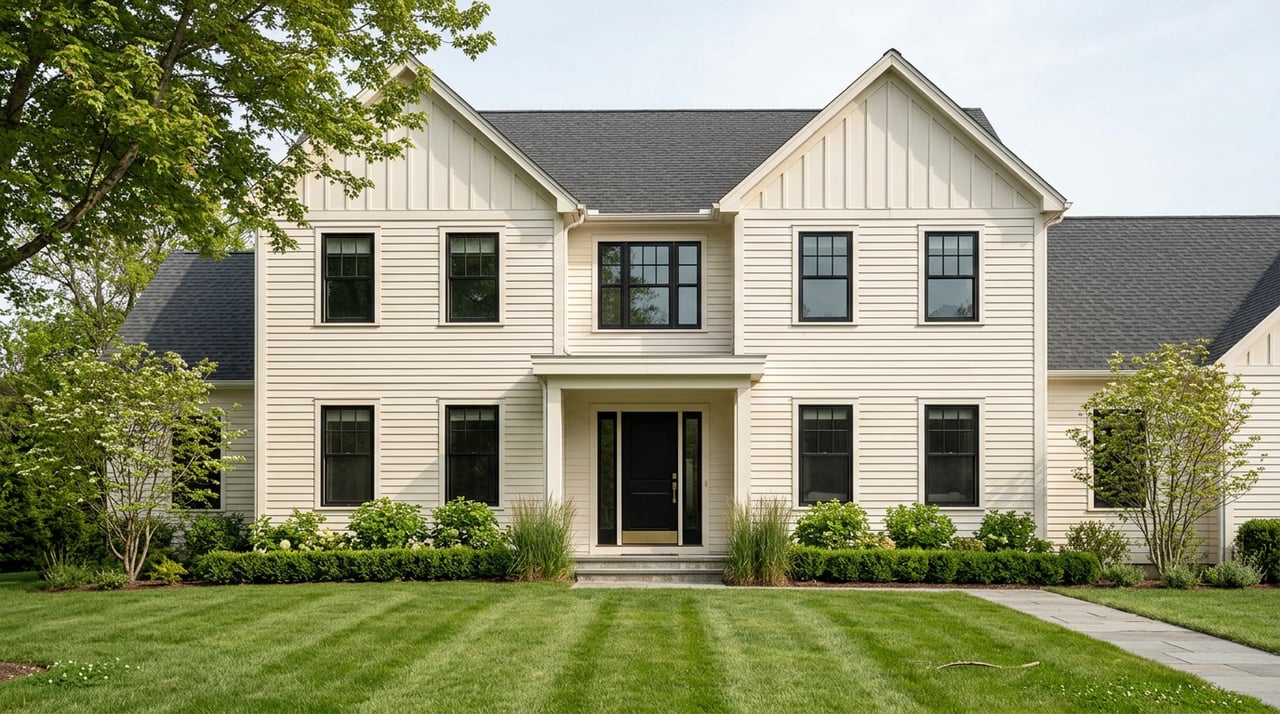
- Choose a Colonial if you value clear separation: entertaining and kitchen on the main level, bedrooms all upstairs. It is the classic family layout and easy to understand.
- Choose a split level if you want efficient square footage with short sets of stairs that separate noisy and quiet zones. It can feel larger than its footprint because of the staggered levels.
You will also see other common Long Island forms in Dix Hills: the Long Island splanch, single-level ranches, and expanded capes. Local listings often feature all of these styles. For a current snapshot of what is on the market, browse Dix Hills listings.
Colonial: what you get
Colonials in Dix Hills typically offer a formal entry, living and dining rooms on the main level, and a kitchen that may open to a family room. Bedrooms sit on the second floor, often as a cluster of secondary rooms plus a larger primary suite. This vertical separation gives you privacy upstairs and gathering space below.
- Buyer fit: Growing households who want bedrooms together and predictable flow.
- Expansion: Many Colonials allow straightforward second-story or attic conversions if the structure supports it.
- Renovation notes: Opening older main levels for an island kitchen or great room usually means removing interior walls and reworking load paths. Plan for structural design, permits, and inspections.
Split level: three offset levels, clear zones
A split level spreads living space across offset half-floors. You might see garage and a rec room on the lower level, kitchen and main living on the mid level, and bedrooms up top. This reduces long hallways and creates natural separation between lively and quiet areas. See a concise definition on Britannica.
- Buyer fit: Households that want a play or media room away from bedrooms, plus short stair runs instead of one full flight.
- Renovation notes: Converting to an open plan can be more complex than a simple two-story layout because of staggered floors and stair rework. Feasible with the right plan and permits.
Splanch: a Long Island original
The splanch mixes elements of a ranch and a split level. From the street, it can read like a two-story home, but inside you will find a three-level experience with a center foyer, kitchen and dining at grade, an elevated living room, and bedrooms above. Many splanches were built on slabs without full basements, which affects storage, mechanicals, and some remodel options. For background and history, review the splanch overview.
- Buyer fit: Efficient living area on a modest footprint, often with a bright elevated living room that faces the yard.
- Renovation notes: Because many are slab-on-grade, adding below-grade space is not typical. Plan storage and utility layout carefully.
Ranch: single-level living
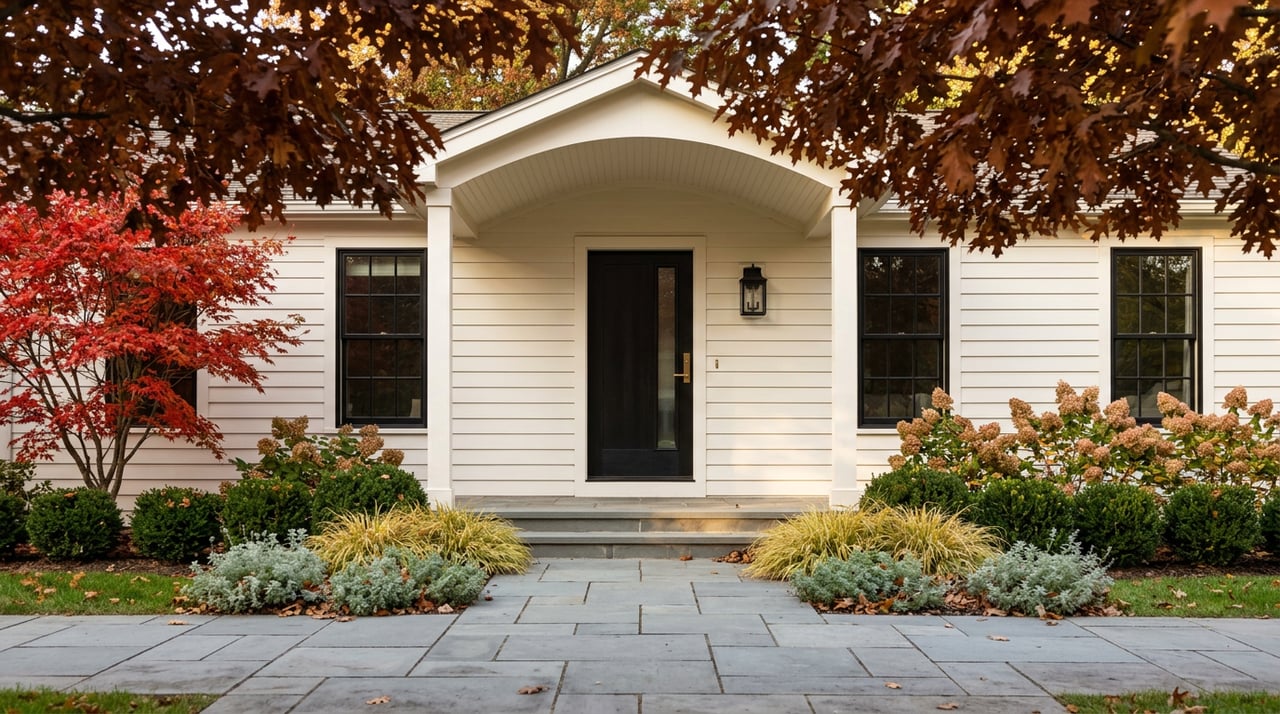
Ranches offer a low-profile, one-floor layout that moves easily between indoors and outdoors. On Long Island, many include attached garages and wide rear yards. Get a style primer from Architectural Digest.
- Buyer fit: One-floor living for convenience today and aging in place later. Also great for households that prefer no interior stairs.
- Renovation notes: Adding a second story is common in Dix Hills to create more bedroom space. It is a major structural project that requires plans, permits, and inspections.
Expanded cape: dormers and growth potential
Capes begin as one to one-and-a-half-story homes, then grow over time through dormers or wings. This post-war form is common in the Northeast and can be a smart way to start in Dix Hills and expand as needs change. For historical context, see the National Academies discussion of post-war housing forms, including capes, in this overview.
- Buyer fit: Value-focused buyers who want a home that can expand with them.
- Renovation notes: Dormers and attic conversions are typical, with structural review and permits required.
Renovation and permits in the Town of Huntington
Before you plan any project, know the local rules. In Dix Hills, the Town of Huntington requires permits for many residential projects, including finished basements, additions, second-story additions, decks above 8 inches, pools, and accessory apartments. The town publishes a detailed checklist of what you need to file. Review the Building Department Requirements and Guidelines.
Unpermitted work is a common cause of delays at closing. When you tour, ask whether past renovations were permitted and inspected, and whether certificates of occupancy are on file. Splanch buyers should pay extra attention to basement configuration and slab construction, since those factors limit certain remodel paths and storage options. The splanch overview explains why slab foundations are common in some Long Island areas with higher water tables.
Which style fits your life best
Match your household goals to the layout you choose.
- Growing family that wants bedrooms together: Prioritize larger Colonials and splanches with clear bedroom clusters upstairs and multiple living areas.
- One-floor living or planning ahead: Focus on ranches or capes with main-level bedrooms. A ranch with a wide footprint often gives you the easiest day-to-day flow.
- Maximum expansion potential: Homes with full basements and larger lots are more flexible for future additions. Be cautious with slab-built splanches if you envision adding below-grade space.
- Open-concept living: Older Colonials and split levels can be opened, but expect structural work, permits, and inspections.
Quick touring checklist for Dix Hills homes
Use this list during showings so you do not miss what matters.
- Floor plan flow. Does the kitchen connect well to the main gathering space? Where are bedrooms relative to family areas?
- Stairs and accessibility. Are there multiple short runs of stairs, or one full flight? Who will use stairs daily?
- Basement type and water signs. Is there a full basement, partial, or slab? Look for egress windows, sump pumps, or moisture stains. Many splanches lack full basements. The splanch guide offers context.
- Roof and systems ages. Ask for roof, boiler or furnace, air handler, hot water heater, electrical service, and AC ages with service records.
- Permits and COs. Request permit history and certificates of occupancy for additions or finished spaces. If anything is unclear, check with the Town of Huntington. Here is the permit guide and checklist.
- Lot and setbacks. Confirm usable backyard for play, pools, or additions. Ask about any setback limits.
- Garage and driveway. Plan for family vehicles and LIRR parking needs if you commute.
- Structural quirks. Note vaulted or elevated living rooms in splanches, low attic access in capes, or angled rooms in split levels. Consider furniture placement and reconfiguration costs.
Questions to ask the listing agent or seller:
- When were the major systems replaced, including roof, HVAC, and electric panel?
- Were all additions and renovations permitted and inspected? Can you share the permits and COs? Cross-check with the Town of Huntington’s permit guidance.
- Has the house had any water or intrusion issues, and where are the main drains and mechanicals located?
- How is the lot oriented for sun and drainage across seasons?
- Which LIRR station do neighbors usually use, and where do they park?
Commute realities to factor in
Because there is no Dix Hills LIRR station, most residents drive to Huntington, Deer Park, or Wyandanch. Review service and station improvements at Huntington Station via the MTA. If you will park daily, prioritize homes with ample driveway space and easy garage access. This is one reason many buyers in Dix Hills value larger lots and functional mudroom entries near the garage.
Example listings to visualize layouts
Seeing actual rooms makes the differences click. Browse current Dix Hills listings to compare Colonials, split levels, splanches, ranches, and expanded capes. Look for floor plan images or 3D tours, then note how stair runs, bedroom placement, and kitchen connections change how you will use each space.
Ready to compare homes in person?
If you are weighing a Colonial against a split level, walking a few back to back will make your decision easy. Our team pairs neighborhood and school-district expertise with a smooth, well-orchestrated process. We can also surface Coming Soon and Private Exclusives to widen your options. To start a focused search or get a pricing plan for your sale, reach out to Robyn Schatz.
FAQs
What is a splanch in Dix Hills and why does it matter?
- A splanch combines ranch and split-level traits with three interior levels, and many were built on slabs without full basements, which affects storage and some renovation plans. See the splanch overview for details.
Do I need permits for common home projects in the Town of Huntington?
- Yes. Finished basements, additions, second stories, decks above 8 inches, pools, and accessory apartments typically require permits and inspections. Review the town’s permit checklist.
How do Dix Hills home prices look in early 2026?
- Redfin reported a roughly 1.8 million dollar median sale price for January 2026, while Zillow’s ZHVI showed about 1.11 million dollars as of January 31, 2026. Use these as directional guides since different methods produce different figures.
Which LIRR stations do Dix Hills residents typically use for commuting?
- Most drive to nearby Huntington on the Port Jefferson Branch or to Deer Park or Wyandanch on the Main Line. Check the MTA’s context for Huntington Station when planning your routine.
Is it hard to open up a split level or Colonial for modern flow?
- It is common but project scope varies. Colonials often need interior wall removal with structural support, while split levels may require stair reconfiguration. Both need plans, permits, and inspections through the Town of Huntington.