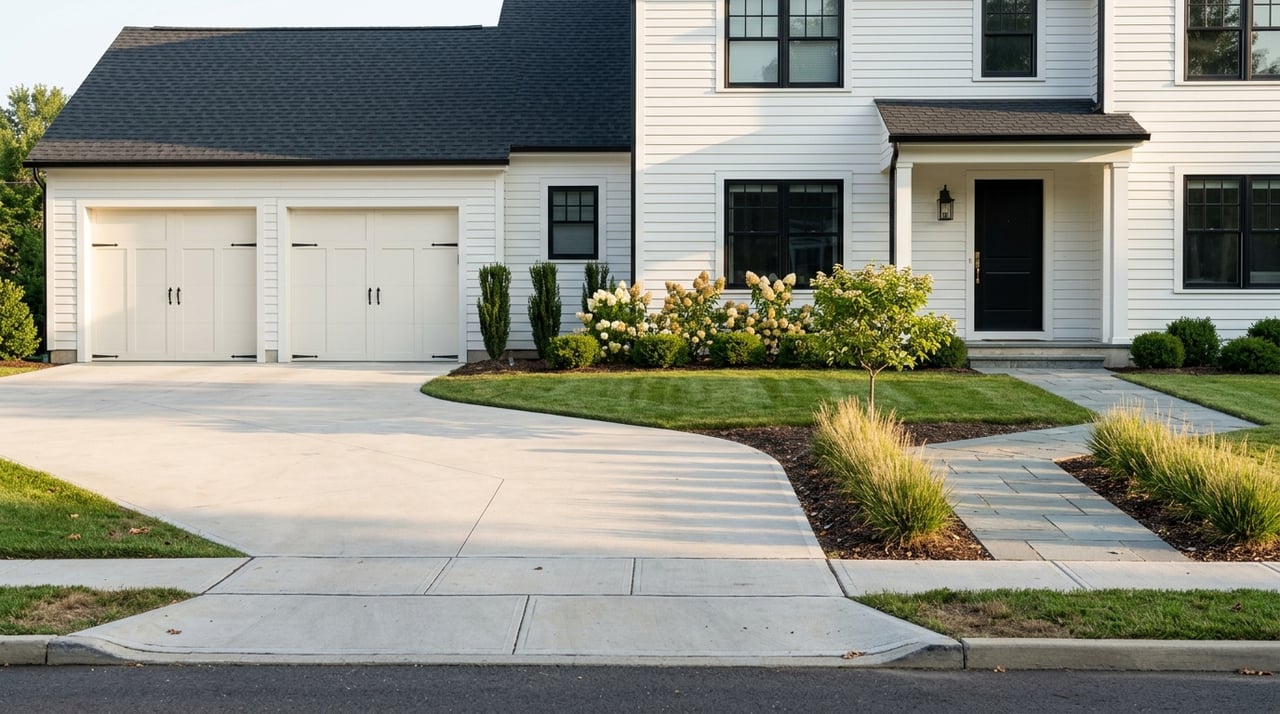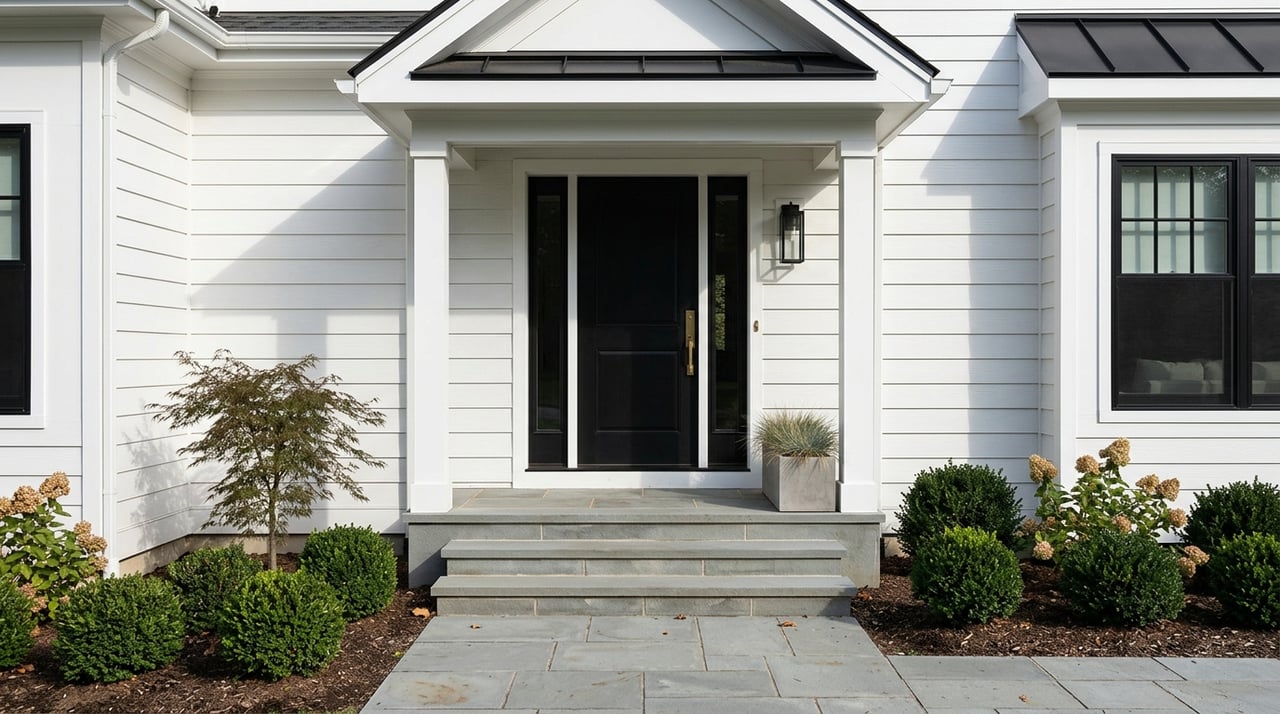
Thinking about a move to Melville but want the inside scoop on everyday life? You’re smart to look beyond the listing photos. Daily routines here revolve around Route 110, nearby Long Island Rail Road stations, and a solid mix of parks, shops, and services that make errands simple. In this guide, you’ll learn how people commute, where locals unwind outdoors, and how to tap into the conveniences that make this Long Island hamlet work for busy households. Let’s dive in.
Commute and transportation at a glance
Melville sits in western Suffolk County along the Route 110 corridor. You’ll find a suburban layout with low‑density neighborhoods and a major business presence, plus quick access to key highways. Many residents drive for daily needs, while rail is a go‑to for city trips.
Major roads and driving patterns
- Route 110 is the primary north–south artery that runs through Melville and links to office parks, shopping centers, and nearby towns.
- For east–west travel, the Long Island Expressway (I‑495) and the Northern State Parkway are the main routes. Expect heavier congestion during rush hours.
- Many buyers weigh proximity to Route 110 for commute convenience against the quieter feel of interior residential streets.
Rail options nearby
Melville does not have an LIRR station within the hamlet. Most residents drive to a nearby station based on their address and destination.
- North of Melville, the Huntington station on the Port Jefferson Branch is a popular choice for Manhattan commutes.
- South of Melville, the Farmingdale station on the Ronkonkoma Branch offers another option depending on your route and parking preferences.
- Check current schedules and branch maps on the MTA’s Long Island Rail Road pages to plan the most efficient ride for your schedule.
Buses and local transit
Suffolk County Transit operates local and regional bus routes that connect residential areas, LIRR stations, and commercial hubs. If you prefer to leave the car at home for short trips, review routes and frequencies on the Suffolk County Transit site to see what lines serve your block.
Airports and regional travel
For flights, many residents use Long Island MacArthur Airport in Ronkonkoma for select domestic routes. John F. Kennedy International and LaGuardia are accessible by car for broader options. Your travel time will vary by time of day and route choice.
Parks and outdoor time
You’ll find everyday green space close to home, plus larger county and state parks a short drive away. Weekend beach trips and trail days are part of the local rhythm.
Town and neighborhood parks
Melville’s residential areas are served by town‑run parks with playgrounds, fields, and open space. Park access and programs are managed by the towns that cover different parts of the hamlet. Browse the Town of Huntington Parks & Recreation listings and the Town of Babylon Parks & Recreation page to see locations, permits, and seasonal activities. You’ll find fields for youth sports, picnic areas, and walking paths for quick morning or after‑dinner loops.
County preserves and state parks
Within a short drive, Suffolk County and New York State parks offer hiking, biking, golf, and more. Plan your bigger outings using the Suffolk County Parks site for county‑run preserves and the New York State Parks portal for state park amenities and passes. Many families keep a list of go‑to spots for weekend hikes and seasonal events.
Everyday outdoor rhythm
On weekdays, it’s common to see morning dog walks in neighborhood cul‑de‑sacs and quick stops at a nearby playground after school. Weekends often mean a short drive to a trail, a round of golf, or a beach day on the South Shore. With parks in multiple jurisdictions nearby, you can match your plans to the weather and your schedule.
Shopping, dining, and daily services
Melville’s conveniences are centered around Route 110 and nearby commercial corridors. You’ll find chain supermarkets, specialty markets, pharmacies, banks, and a steady lineup of takeout and local eateries.
Groceries and everyday errands
Expect a familiar suburban mix of supermarkets, delis, coffee shops, and essential retailers. Many plazas also bundle urgent‑care clinics, fitness studios, and personal services, which makes it easy to handle errands in a single loop. Larger regional shopping areas are a quick drive from most neighborhoods.
Dining and coffee
With Melville’s office parks close by, daytime food options are plentiful. You’ll find breakfast spots, lunch delis, and sit‑down restaurants suitable for family dinners or client meetings. Evening takeout and weekend brunch are part of the local routine.
Healthcare and wellness
Outpatient clinics, dental offices, and specialist practices are located in and around the hamlet. For hospital care or emergency services, larger centers are within a short drive in neighboring communities. Check your plan’s provider map and choose based on proximity to home and work.
Schools and community basics
Public school boundaries depend on your exact address, and parts of Melville fall under different jurisdictions. Always verify district and program details before you decide on a specific neighborhood.
Public school districts
Large portions of Melville are served by the Half Hollow Hills Central School District. Review enrollment, programs, and contact details on the Half Hollow Hills CSD website and use the district’s resources to confirm which schools serve a given address. For objective state‑level data, the New York State Education Department site publishes public report cards and enrollment information. Private and parochial options also exist across the area; availability and admissions policies vary by school.
Libraries, recreation, and events
Local library districts offer child, teen, and adult programming; town recreation departments run seasonal leagues, camps, and community classes. Calendars are updated frequently and may require residency or membership. If proximity to specific programming matters to you, confirm locations and registration rules before you set your search boundaries.
Safety and municipal services
Police, fire, and EMS coverage comes from relevant town and county agencies. Trash and recycling, water, and other utilities are managed by local programs or private utilities depending on the address. For property tax questions or bill comparisons, the county provides resources at the Suffolk County Real Property Tax Service Agency. Your exact tax picture will depend on the home’s assessed value and its tax jurisdictions.
Local economy and jobs
Melville is both a bedroom community and a regional employment center. The Route 110 corridor houses a concentration of office parks and corporate campuses, which supports daytime foot traffic, delis and cafés, and a wide mix of service businesses. Many residents choose Melville to shorten a commute to nearby employers, while others head to Manhattan or other Long Island job centers.
How to choose your Melville fit
Every block feels a little different, and your daily life will reflect where you land. Use this quick checklist to narrow your search:
- Commute plan: Decide whether you’ll be driving most days or using the LIRR. If rail is key, map your route to the Huntington or Farmingdale station and check parking options and schedules.
- Proximity to parks: Choose between walkable access to a small town park or a short drive to larger county or state parks. If you use town programs often, note which town manages the nearest facilities.
- Everyday errands: List the groceries, pharmacies, and services you visit weekly. Map a typical errand loop from potential neighborhoods and note drive times at peak hours.
- School district confirmation: Before you fall in love with a block, verify the public school assignment by address and review objective data on the NYSED site.
- Noise and traffic: Check proximity to highways and commercial corridors. Visit at different times of day and listen from the sidewalk and backyard.
A day in the life
Morning: You leave a quiet side street, merge onto Route 110, and head to the office in a nearby corporate park. Your partner drives to the Huntington station for a mid‑morning train. After drop‑off at school, there’s time for a quick loop around a town park before work calls.
Midday: Lunch is a short walk to a deli on Route 110 and then a quick supermarket run. A mid‑afternoon appointment with a pediatric specialist is just a few minutes away, so there’s no need to rearrange the rest of the day.
Evening: Soccer practice wraps on a town field just before dinner. You pick up takeout from a favorite spot on your way home. After homework, the dog gets a walk around the block and the house quiets down for the night.
Buying or selling with confidence
If Melville feels like a fit, the next step is to align your must‑haves with the realities on the ground. That means confirming school district boundaries by address, double‑checking LIRR schedules and parking availability, and reviewing recent comparable tax bills for target neighborhoods. Small differences in location can shape your daily routine, commute comfort, and long‑term value.
When you are ready to move from browsing to planning, you deserve local guidance paired with a smooth, well‑managed process. Our team combines neighborhood‑level knowledge with modern marketing, transaction fluency, and access to tools that keep your timeline on track. If you want parcel‑specific answers or a custom neighborhood tour, connect with Robyn Schatz to get started.
FAQs
How do Melville residents commute to Manhattan?
- Most residents drive to nearby Long Island Rail Road stations, commonly Huntington or Farmingdale, and use LIRR service into the city. Check schedules and parking details on the MTA’s station pages before you go.
Which LIRR station is closest to Melville homes?
- It depends on your exact address. Many residents use the Huntington station to the north or the Farmingdale station to the south, choosing based on route, parking, and schedule.
What parks and programs serve Melville neighborhoods?
- Neighborhood parks are managed by the towns that cover parts of Melville. Browse the Town of Huntington Parks & Recreation page and the Town of Babylon Parks & Recreation listings, and use the Suffolk County Parks and New York State Parks sites for larger preserves.
Which school district covers a Melville address?
- Large portions of Melville are served by Half Hollow Hills CSD, but boundaries vary by street. Confirm the assignment through the Half Hollow Hills CSD site and review objective data on the NYSED portal.
Are there bus routes within Melville for local trips?
- Yes. Suffolk County Transit operates routes that connect neighborhoods, shopping areas, and LIRR stations. Check current maps and frequencies on the Suffolk County Transit site.
How can I estimate property taxes on a Melville home?
- Start with recent comparable tax bills and the county’s resources at the Suffolk County Real Property Tax Service Agency. Your final tax picture depends on assessed value and the home’s specific tax jurisdictions.