Choosing between Melville and its neighboring suburbs can feel like comparing apples to oranges. One area offers bigger yards, another gives you a walk-to-train lifestyle, and Melville threads the needle with strong highway access and major employers. You want a clear, side-by-side view so you can match your priorities to the right street and town. In this guide, you’ll learn how home styles, lot sizes, commutes, and amenities differ across Melville and nearby suburbs, plus how to decide what fits your life best. Let’s dive in.
Melville at a glance
Melville sits in the Town of Huntington with a 2020 population of 19,284, according to U.S. Census QuickFacts. The community combines established residential neighborhoods with a significant employment base, anchored by corporate campuses. Canon U.S.A.’s Americas headquarters at One Canon Park is a notable example that helps define Melville’s daytime activity and local services.
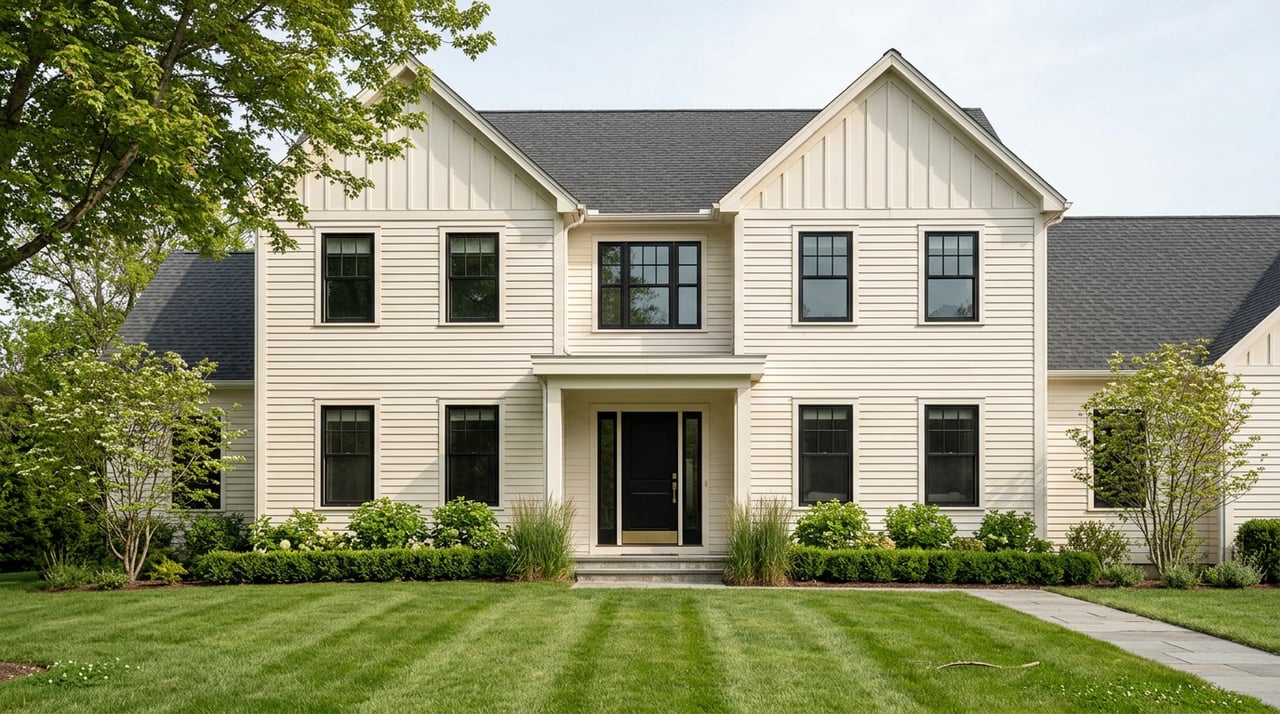
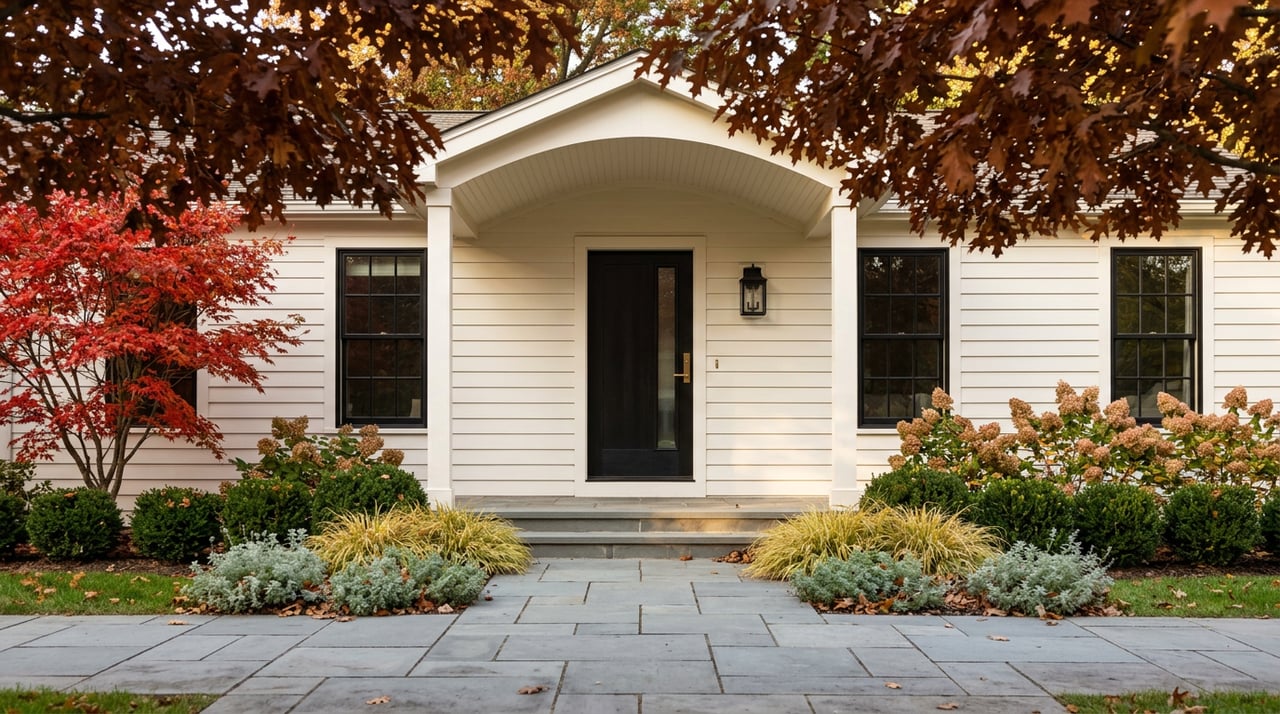
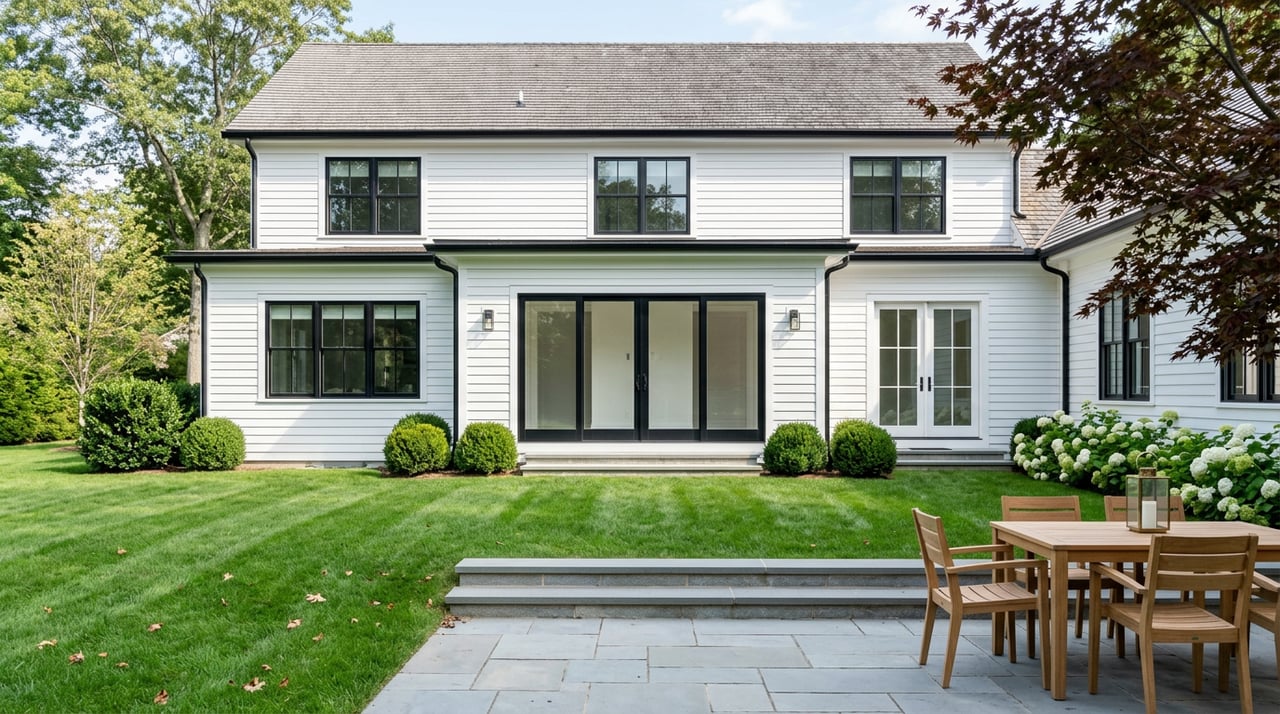
Owner-occupancy runs high, and most homes are single-family with many built in the mid-to-late 20th century. That mix produces a steady stream of colonials, splits, ranches, and updated properties, with new infill sprinkled in. Market snapshots consistently position Melville as a higher-priced Long Island suburb, with different vendors reporting slightly different central values due to methodology.
- Source: U.S. Census QuickFacts
- Source: Canon U.S.A. news release on One Canon Park
Home types and lot size
Melville housing mix
Most buyers in Melville encounter detached single-family homes on mid-size suburban lots. Lot size varies by neighborhood and zoning. In the Town of Huntington, districts such as R-40, R-20, and R-10 establish different minimum lot areas, which is a big reason one street features half-acre parcels while another trends closer to a quarter-acre.
If you want to understand why one block feels more spacious than the next, checking the zoning district can help. The Town also adopted a Melville Town Center Overlay that allows mixed-use redevelopment along select corridors. Over time, that may add more residential options and a different mix of amenities near the office parks.
- Reference: Town of Huntington zoning districts
- Reference: Melville Town Center Overlay
How Dix Hills compares
Dix Hills is known for larger parcels, including many properties in the 0.5 to 1-plus acre range. You see substantial colonials and newer luxury builds in several pockets. If a larger yard and an estate-like feel are high on your list, Dix Hills often delivers that experience more consistently than Melville.
Huntington and Huntington Station
Closer to Huntington Village, you find more village-style blocks and an older housing stock, especially near the downtown core. Lots are generally smaller around the village, and you gain a walkable main street plus an LIRR station on the Port Jefferson branch. Huntington Hospital is a nearby regional healthcare anchor that many residents reference when evaluating proximity to services.
- Reference: Huntington Hospital
Nassau-side options: Farmingdale, Plainview, Jericho
On the Nassau side, places like Farmingdale, Plainview, and Jericho offer varied lot sizes with more village cores and, in some areas, easier LIRR access. Farmingdale in particular blends a walkable Main Street with a station area, which appeals if your priority is a quicker rail commute. If you want a smaller yard in exchange for walkability and rail convenience, these Nassau suburbs often fit the bill.
Commute and transportation
Driving from Melville
Melville is car-first, with direct access to the Long Island Expressway near Exit 49 and the Route 110 corridor. That setup makes commuting across Long Island efficient and supports park-and-ride routines for those who train into the city. Average commute times for Melville residents tend to land in the low-30-minute range, reflecting a mix of on-Island and city-bound travel patterns.
- Reference: DataUSA Melville profile – commute
Rail options near Melville
Melville does not have an LIRR station within the hamlet. Nearby options include Pinelawn and Farmingdale on the Ronkonkoma branch, as well as Hicksville and Huntington, depending on your destination. Many residents drive to a station, park, and ride into Manhattan or other parts of Long Island.
- Practical reference: Local directions noting Pinelawn and Farmingdale as rail options
Suburb contrasts for commuting
If walk-to-train access is your top priority, Farmingdale and certain Nassau neighborhoods offer a more station-centered lifestyle. If you want larger lots and do not need a nearby station, Dix Hills trades rail convenience for space and quiet streets. Melville sits between those two profiles and excels for on-Island commuters who value quick highway access and proximity to major employers.
Amenities and services
Employment and office parks
Melville’s concentration of corporate campuses increases local daytime activity and supports nearby retail and services. Canon’s One Canon Park is a landmark employer and a practical reason some households choose to live close to work.
- Reference: Canon U.S.A. One Canon Park
Retail, recreation, and local highlights
You are close to a range of regional attractions and services that shape daily life. Common touchpoints include Farmingdale State College, family destinations like Adventureland, and historic sites such as the Walt Whitman area. Exact distance and walkability vary by address, so it helps to map each home to nearby amenities you will use most.
- Practical reference: Local guide and directions resource
Health care
Many Melville addresses look to Huntington Hospital for community care, with Stony Brook University Hospital serving as a major tertiary referral center further east. For families who prioritize proximity to acute care, knowing your preferred hospital route is a smart part of the due-diligence tour.
- Reference: Huntington Hospital
Which suburb fits your priorities
- If you want larger parcels and a more estate-like setting: Focus your search in Dix Hills. You will commonly find 0.5 to 1-plus acre lots and substantial single-family homes.
- If you want a walkable main street and quicker LIRR access: Farmingdale and select Nassau neighborhoods, including Plainview and Jericho, often provide station-centered convenience.
- If you want shorter on-Island commutes and proximity to major employers: Melville’s location on the LIE and Route 110, plus its office parks, can reduce door-to-door drive time. Keep an eye on the Melville Town Center Overlay, which may influence future housing variety and amenities along key corridors.
How to shop smart in this corridor
- Define your non-negotiables. Rank lot size, commute, and walkability. This will narrow your short list fast.
- Verify the school district for each address. District boundaries are parcel-specific on Long Island and can influence pricing and fit. Ask for a property-by-property verification.
- Check zoning and parcel size before touring. R-40, R-20, and R-10 areas set different minimums that shape lot patterns.
- Test your commute at peak times. Drive to your likely station or office during rush hour and time the route door-to-door.
- Evaluate amenities you will actually use. Map your preferred hospital, grocery, and recreation to each address.
- Use local, data-backed guidance. A neighborhood-focused team can help you weigh trade-offs block by block and flag off-market opportunities through programs like Compass Private Exclusives, Coming Soon, and Compass Concierge.
Ready to compare homes across Melville, Dix Hills, Huntington, and Nassau with clarity and confidence? Connect with Robyn Schatz for local guidance and Get Your Free Home Valuation.
FAQs
What types of homes are common in Melville?
- Mostly detached single-family houses built in the mid-to-late 20th century, with a mix of colonials, splits, ranches, and some newer updates or infill.
How do Melville lot sizes compare to Dix Hills?
- Melville offers mid-size suburban lots, while Dix Hills commonly features larger parcels, including many 0.5 to 1-plus acre properties.
Does Melville have an LIRR station within the hamlet?
- No. Nearby stations include Pinelawn and Farmingdale on the Ronkonkoma branch, plus Hicksville and Huntington, typically reached by a short drive.
What is the average commute time for Melville residents?
- Melville’s average commute tends to land in the low-30-minute range, reflecting a mix of on-Island and city-bound travel patterns.
What should I know about zoning in Melville?
- Town of Huntington districts like R-40, R-20, and R-10 set minimum lot sizes that shape neighborhood yard patterns, and a Melville Town Center Overlay guides future mixed-use areas.