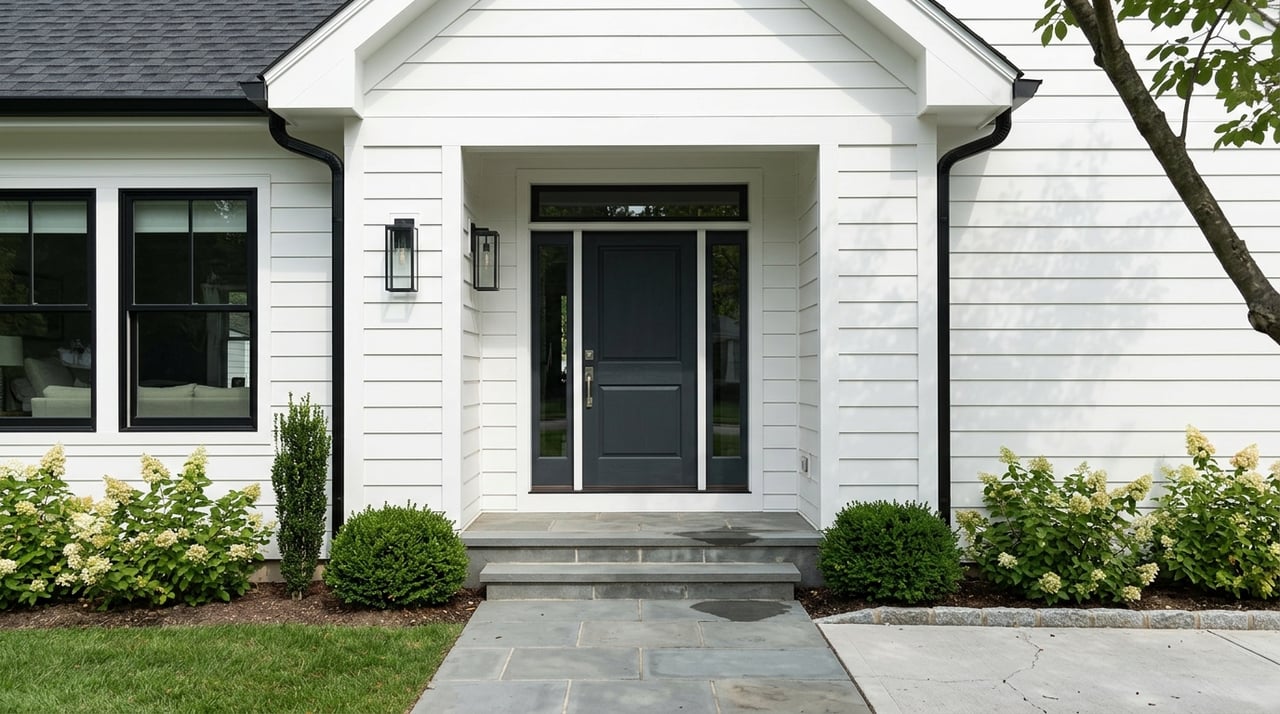
Selling in Dix Hills comes with high expectations. In a market where homes often list in the seven-figure range, buyers notice the small stuff quickly, both in photos and during showings. If you are aiming for top dollar and a smooth sale, the right pre-listing repairs and updates can make a measurable difference.
In this guide, you will learn which issues Dix Hills buyers spot first, what inspectors commonly flag, and how to prioritize a 4–6 week prep plan that protects your price and timeline. Let’s dive in.
Why small repairs matter in Dix Hills
Dix Hills sits in a premium Long Island corridor where list and sale prices often push into the luxury tier. In that environment, condition is a tie-breaker. Buyers compare your home against other updated listings and expect homes to feel photo-ready and move-in friendly. National research also shows that staging and cosmetic freshness help homes sell faster and for more money, so you want to align with those buyer preferences from the start. You can see this in the latest NAR staging research.
Many Dix Hills homes were built in the mid-20th century. That means some properties still carry older roofs, original wiring, and dated kitchens or baths. Buyers and inspectors pay close attention to these items, so addressing high-visibility fixes before you list can improve first impressions and reduce negotiation pressure later.
First impressions buyers notice
Curb appeal upgrades
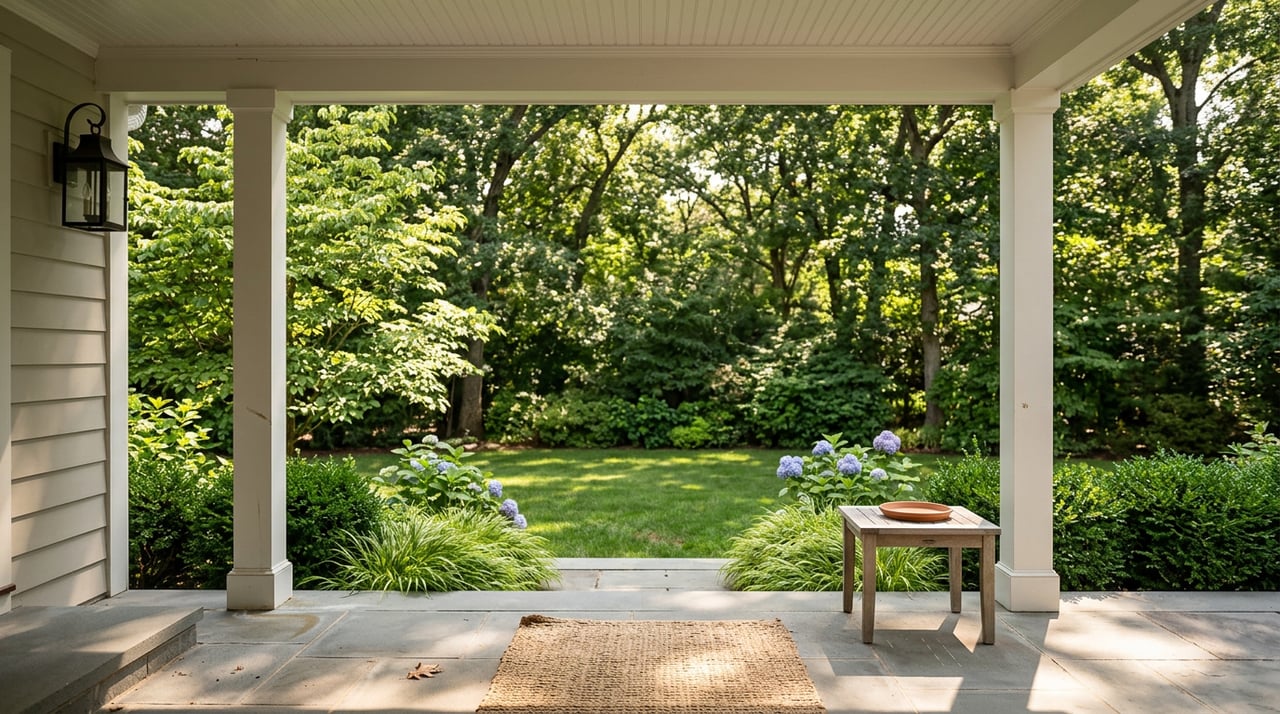
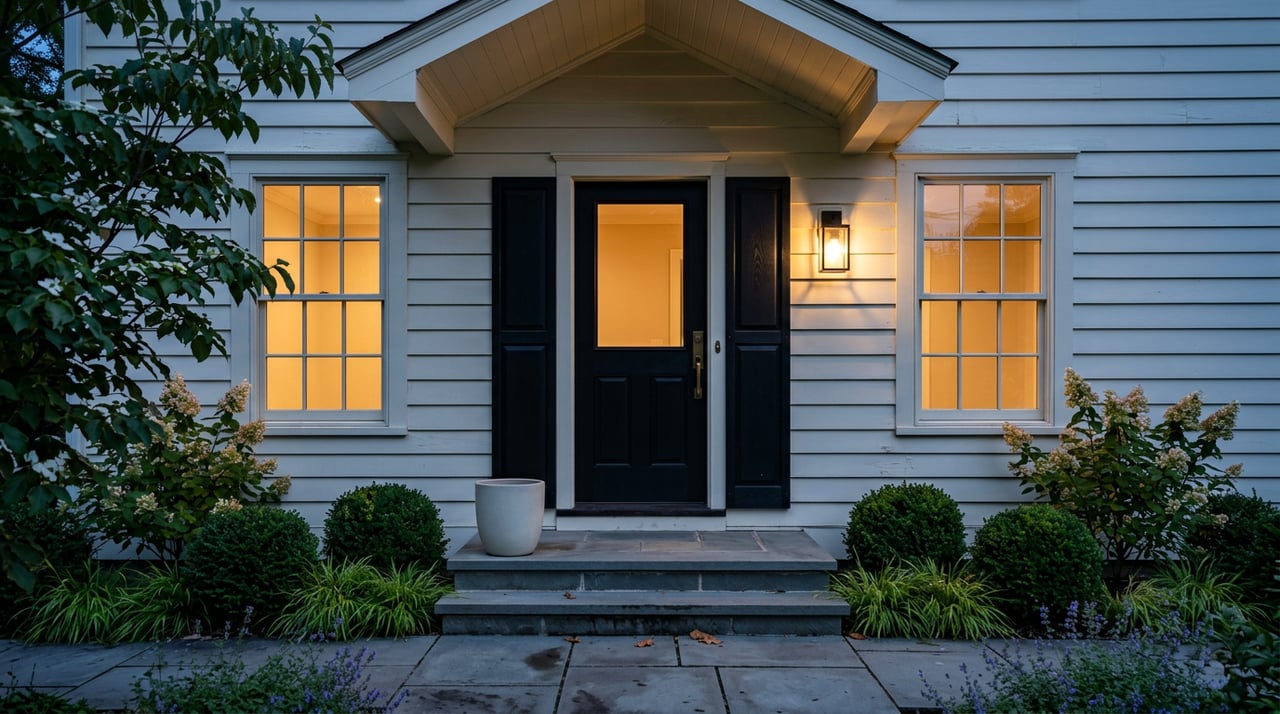
Your exterior sets the tone. A clean entry, fresh welcome mat, tidy plantings, and a well-kept driveway help buyers feel confident on arrival. Projects like a refreshed garage door or an updated steel entry door punch above their weight in resale value, according to Cost vs. Value. If your doors are dented, dated, or peeling, this is often a quick win.
Lighting and brightness
Dark rooms photograph poorly and feel smaller. Replace burned-out bulbs with warm LEDs and use consistent color temperature throughout. Updating a few dated fixtures, especially in the kitchen and bathrooms, helps your photos pop and supports stronger first impressions. Staging and lighting improvements are backed by NAR research on buyer response.
Flooring condition
Buyers notice scratched hardwood, worn carpet, and loose thresholds. If your hardwoods are dull or scarred, refinishing can be cost-effective and impactful. National guides commonly place refinishing in the $3–$8 per square foot range depending on scope and region, as summarized in this hardwood refinishing cost guide.
Dated finishes and hardware
A few small swaps can modernize a space fast. Consider new cabinet hardware, fresh faucet sets, neutral paint, simple mirrors, and updated vanity lights. Cosmetic freshness helps buyers focus on the layout and potential, a benefit supported by NAR’s staging findings.
Cleanliness, odors, and clutter
Pet odors, heavy scents, and clutter are instant turnoffs. Deep clean, declutter closets and surfaces, and keep scents neutral before photos and showings. This is a low-cost step with an outsized impact on buyer engagement.
What inspectors flag in Dix Hills
Even if showings go well, inspectors will document functional and safety issues. Expect attention on the following items.
Roof and water management
Inspectors look for missing or aged shingles, worn flashing, clogged gutters, and grading that directs water toward the foundation. Roof and exterior water issues are frequent inspection comments and can affect financing or insurance if not addressed. See this overview of common findings from Amerisave’s inspection guide.
Electrical safety
Missing GFCI protection in kitchens, baths, and laundry, outdated panels, or DIY wiring will be flagged as safety concerns. These often lead to licensed repair requests. Learn how inspectors frame these issues in Amerisave’s checklist.
HVAC and water heaters
A furnace or AC near end-of-life, poor performance, or lack of recent service can trigger replacement talk. Buyers fear large system bills soon after closing, so servicing units ahead of listing helps reduce risk.
Plumbing and drainage
Expect inspectors to check for leaks under sinks, slow drains, or evidence of past seepage. For a sense of common repair items after inspections, scan these trends from RepairPricer.
Foundations and structure
Major settlement, wide or step cracks, and sloping floors can lead to specialist evaluations. For a clear picture of inspection standards and limitations, review InterNACHI’s inspection FAQ.
Basements, moisture, and sump pumps
Portions of Long Island experience variable and sometimes high water tables. Moisture signs, an aging sump pump, or no backup can become negotiation focal points. The USGS regional groundwater study explains why basement moisture deserves early attention in some neighborhoods.
Windows and insulation
Inspectors note fogged double panes, rotted sills, and drafty frames. Window replacement can be expensive, and the resale payback varies. Target obvious failures rather than full-home replacement, taking cues from Cost vs. Value.
How to prioritize repairs
Your goal is to fix items that could derail financing or shake buyer confidence, then invest in photo-level improvements that help your home stand out.
Top priority before photos
- Address safety issues: fix exposed wiring, add missing covers, and confirm smoke and CO detectors work. Inspectors will report these immediately, per InterNACHI standards.
- Solve active water issues: stop leaks, service or replace failing sump pumps, and handle any visible mold. Local water-table conditions make moisture a high-impact concern, as noted by the USGS.
- Triage roof problems: repair significant shingle loss, sagging, or flashing failures. Buyers and insurers focus on roof condition, with issues often outlined in inspection checklists.
High-ROI, moderate-cost moves
- Fresh interior paint in neutral tones and a deep clean. National guides show interior paint often sits in the $2–$6 per square foot range depending on scope, per this painting cost overview.
- Garage and entry door refresh for instant curb appeal. These are among the most consistently high-recoup projects in Cost vs. Value.
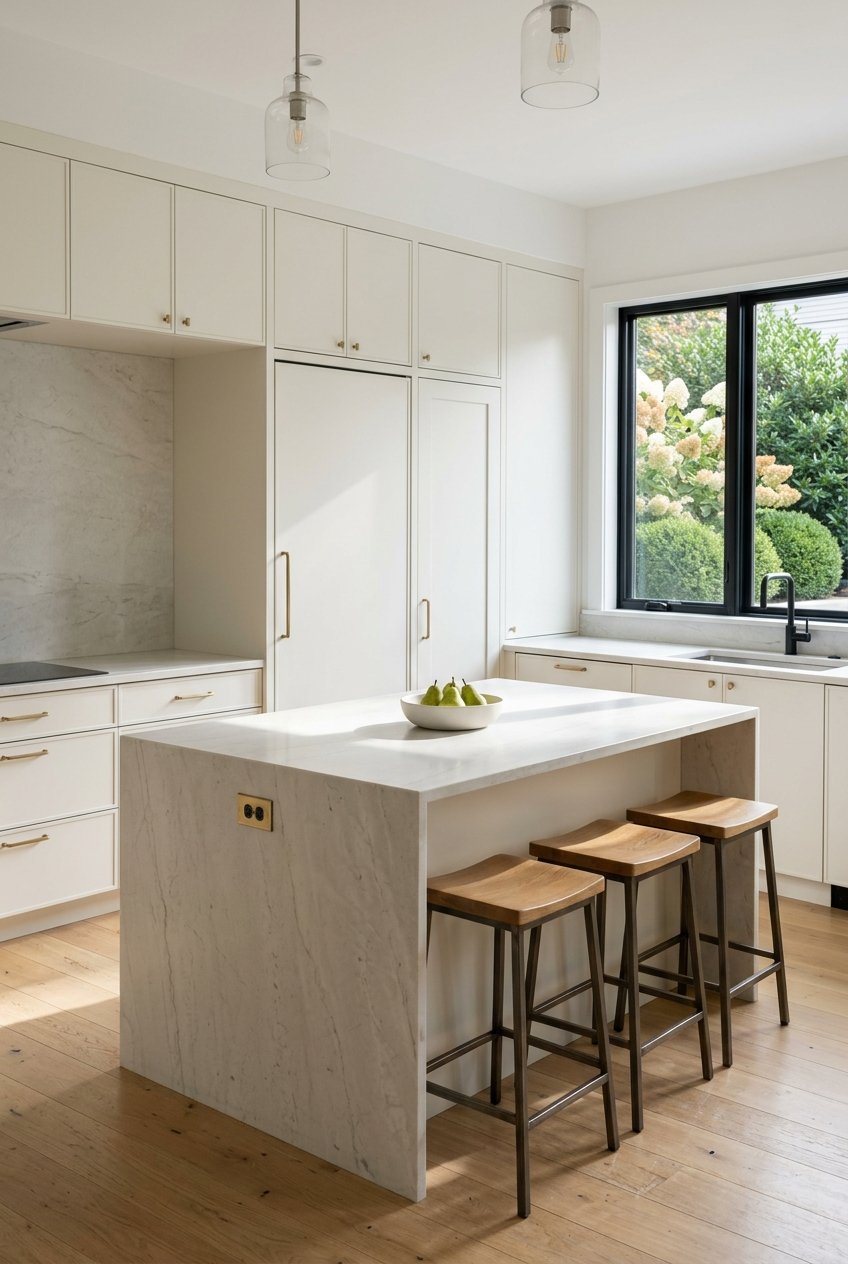
- Small kitchen and bath refreshes: swap hardware, faucets, and light fixtures, re-caulk, regrout, and consider a modest countertop update where it will photograph well. Cost vs. Value highlights solid returns for midrange refreshes.
- Refinish hardwoods or repair damaged sections. Typical refinishing falls in the $3–$8 per square foot range in national guides, per this refinishing cost guide.
Mid-priority, case by case
- Targeted window replacement. Replace only units with failed seals or significant rot. Cost vs. Value shows moderate recoup for window projects.
- Selective bath updates or cabinet refacing if your closest comparable listings show similar improvements. Use market context to decide.
Low priority before listing
- Major kitchen overhauls, large additions, or upscale suite expansions rarely recoup well at resale in a short timeline. Cost vs. Value often shows lower payback on big-ticket projects. Focus on clean presentation and function instead.
Your 4–6 week pre-list plan
Week 0–1: assess and scope
- Walk the house with a local agent and consider a targeted pre-listing check with a qualified inspector. A full pre-inspection can surface fixable items early, though it also creates disclosures you must manage. Understand scope and standards via InterNACHI’s FAQ.
Week 1–3: critical fixes and photo prep
- Repair safety hazards, stop water intrusion, service HVAC, and verify hot water heater performance. Start cosmetic updates that show up in photos: neutral paint, declutter, swap dated hardware, refresh caulk and grout. For budget planning, see this interior painting cost guide and the hardwood refinishing guide.
Week 3–4: curb appeal and staging
- Tidy landscaping, edge beds, add fresh mulch, and consider a new garage or entry door if yours is dated. These projects have strong perceived value in Cost vs. Value. Stage the living room, kitchen, and primary suite. Staging reduces days on market and can lift offers, supported by NAR’s research.
Paperwork and disclosures
- Lead-based paint: homes built before 1978 require the federal lead disclosure and EPA pamphlet, as summarized here: federal lead paint rules.
- Permits and warranties: gather records for past work. For structural or exterior changes, confirm whether Town of Huntington permits were required and obtained. Start with the town’s code reference to understand permit processes: Town of Huntington code resource.
Dix Hills red flags to get ahead of
- Active leaks or basement moisture. Water issues often trigger major credits or buyer walkaways, and Long Island water tables make this a top concern. See the USGS regional study.
- Electrical hazards and missing GFCIs. Expect a safety callout and required licensed repairs. Review common items in Amerisave’s guide.
- Structural movement or large foundation cracks. These can lead to specialist evaluations and delays. Read the inspection scope in InterNACHI’s FAQ.
When to skip big projects
If your timeline is measured in weeks, not months, focus on safety, water management, and cosmetic wins that show up in photos. Major remodels or additions often do not return their cost at resale, especially if you are trying to meet a market window. The data summarized by Cost vs. Value supports a targeted, budget-aware approach over large renovations pre-listing.
How we help you get market-ready
You do not have to make these decisions alone. The Robyn Schatz Team brings neighborhood expertise across Western Suffolk and adjacent Nassau, plus Compass-backed marketing to maximize your exposure. Here is how we support your prep and sale:
- Pre-list walkthrough to prioritize safety, moisture, curb appeal, and photo-level updates tailored to Dix Hills buyers.
- Vendor introductions for quick bids on painting, flooring refinish, lighting swaps, and minor exterior repairs.
- Staging and Compass marketing that highlight fresh finishes and high-impact upgrades in photos and video.
- Optional Compass Concierge to help front the cost of approved improvements that can lift your sale price.
- Transaction fluency that keeps your sale and next purchase aligned, with clear communication through closing.
Ready to plan your pre-listing checklist and timeline in Dix Hills? Reach out to Robyn Schatz for a local, step-by-step strategy that protects your price and peace of mind.
FAQs
What pre-listing repairs matter most for a Dix Hills home?
- Prioritize safety fixes, active water issues, and roof concerns first, then invest in paint, lighting, curb appeal, and small kitchen or bath refreshes that boost photos and showings.
Should I get a full pre-listing inspection in Dix Hills?
- A pre-inspection can surface fixable issues early and reduce surprises, but it also creates disclosures to manage, so weigh pros and cons and review InterNACHI’s inspection scope.
Which curb appeal projects have the best ROI locally?
- Garage door and steel entry door updates consistently rank high for resale value, with strong first-impression impact per Cost vs. Value.
How should I handle basement moisture before listing?
- Fix exterior drainage, clean gutters, service or replace the sump pump, add a battery backup, and document recent work, since variable water tables make moisture a top concern per the USGS.
What do inspectors most often flag during Dix Hills sales?
- Common callouts include roofing and gutter issues, missing GFCIs, aging HVAC or water heaters, small plumbing leaks, and window seal failures, as summarized in Amerisave’s guide.
Do I need permits for past work in the Town of Huntington?
- Collect permits and warranties for past projects and verify whether structural or exterior work required approval, starting with the Town of Huntington code reference.