Wondering why one Melville home gets immediate interest while another with a similar bedroom count lands at a very different price point? If you are trying to understand what your home is really worth, broad online estimates and market headlines can only take you so far. The real answer comes from a mix of local market context, street-level details, condition, and buyer perception. Let’s dive in.
Melville value starts with local context
Melville is part of the Town of Huntington in western Suffolk County, near the Nassau-Suffolk boundary. It is a largely owner-occupied market, with Census QuickFacts showing an 87.5% owner-occupied housing rate and a 96.1% same-house-one-year-ago rate. That points to a relatively stable suburban market where many owners stay put, which can limit the supply of homes that truly compete with yours.
Recent market snapshots show why headlines should be used carefully. Redfin reported a March 2026 median sale price of $1.35 million with 83 median days on market, while Realtor.com described Melville as a seller’s market with 51 median days on market. Those numbers are useful for setting the scene, but they do not tell you what your specific home would command.
Micro-location matters in Melville
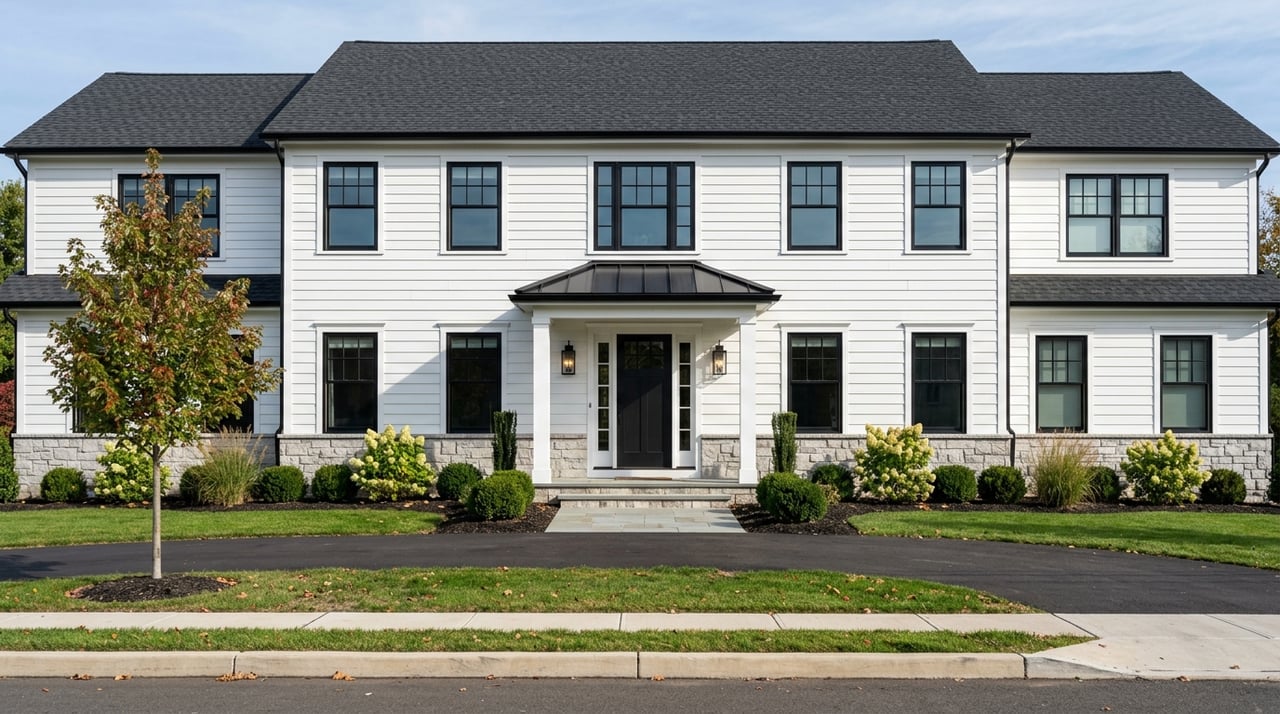
In Melville, value can shift from one street to the next. Even homes with similar size and style can appeal to different buyers based on where they sit within the community. That is one reason a true valuation has to go beyond ZIP code averages.
Route 110 and nearby streets
The Town of Huntington describes the 110 Corridor, largely in the Melville section, as a major business area. The town’s Melville Town Center plan also focuses on a more walkable downtown pattern and added residential uses along a defined corridor. In practical terms, homes closer to that commercial and employment area may be viewed differently than homes on quieter interior streets.
That does not mean one setting is automatically better than another. It means buyers may react differently to road exposure, access, activity levels, and convenience. When a home is valued, those location nuances can affect how closely it matches nearby comparable sales.
Street position and lot influence
Appraisal guidance treats location, site influence, and proximity as value-relevant. That includes factors like privacy, lot position, access, nearby amenities, and potential nuisances. Two homes may look almost identical in photos, but a different lot setting can change the market’s reaction.
For example, a home on a tucked-away interior street may compete differently from a similar home with more visible road exposure. A personalized valuation should account for those details, because buyers often do.
School assignment can affect buyer pools
The Town of Huntington notes that it includes eight public school districts, with multiple Half Hollow Hills Central School District facilities located in Melville, including Sunquam Elementary and West Hollow Middle School. School assignment can vary at the street level. As a result, two similar Melville homes may attract different buyer pools and different price expectations.
The key point is not to generalize about one area versus another. It is to recognize that assigned district and boundary location can influence which recent sales are most comparable to your home.
Condition shapes how buyers price your home
A home’s condition plays a major role in how buyers and appraisers judge value. Appraisal guidance considers deferred maintenance, needed repairs, and the overall quality of the improvements. In simple terms, a well-maintained home usually competes better than one with visible wear or functional issues.
Buyers notice the difference quickly. If your home feels move-in ready, it may create stronger demand than a similar property that needs obvious updates. That demand can influence both pricing power and the pace of the sale.
Maintenance still matters
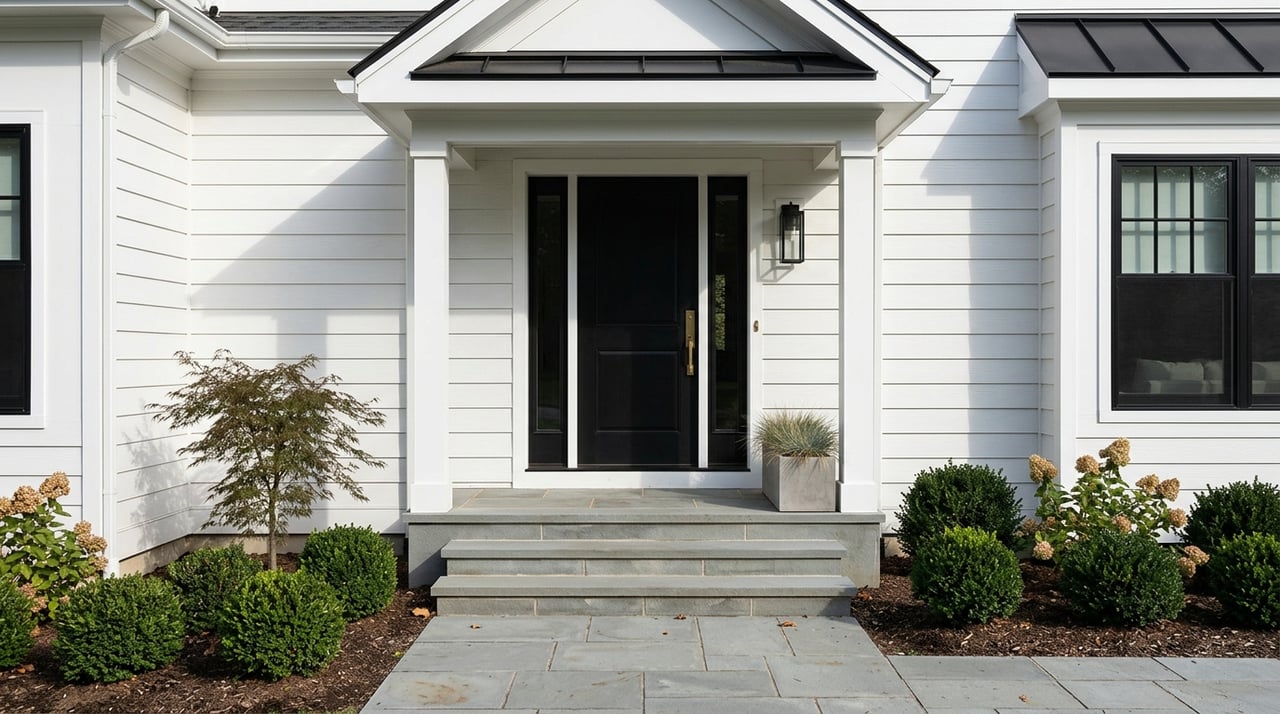
Before you focus on cosmetic updates, it helps to address the basics. A roof replacement, HVAC update, fresh flooring, exterior refresh, or repair of deferred maintenance can improve how your home compares to active competition. These items also support a stronger overall impression of care.
That said, value is not based on a simple reimbursement of what you spent. Appraisal guidance makes clear that adjustments should reflect how the market reacts to differences between homes, not a fixed dollar-for-dollar formula.
Renovations help, but not on a flat formula
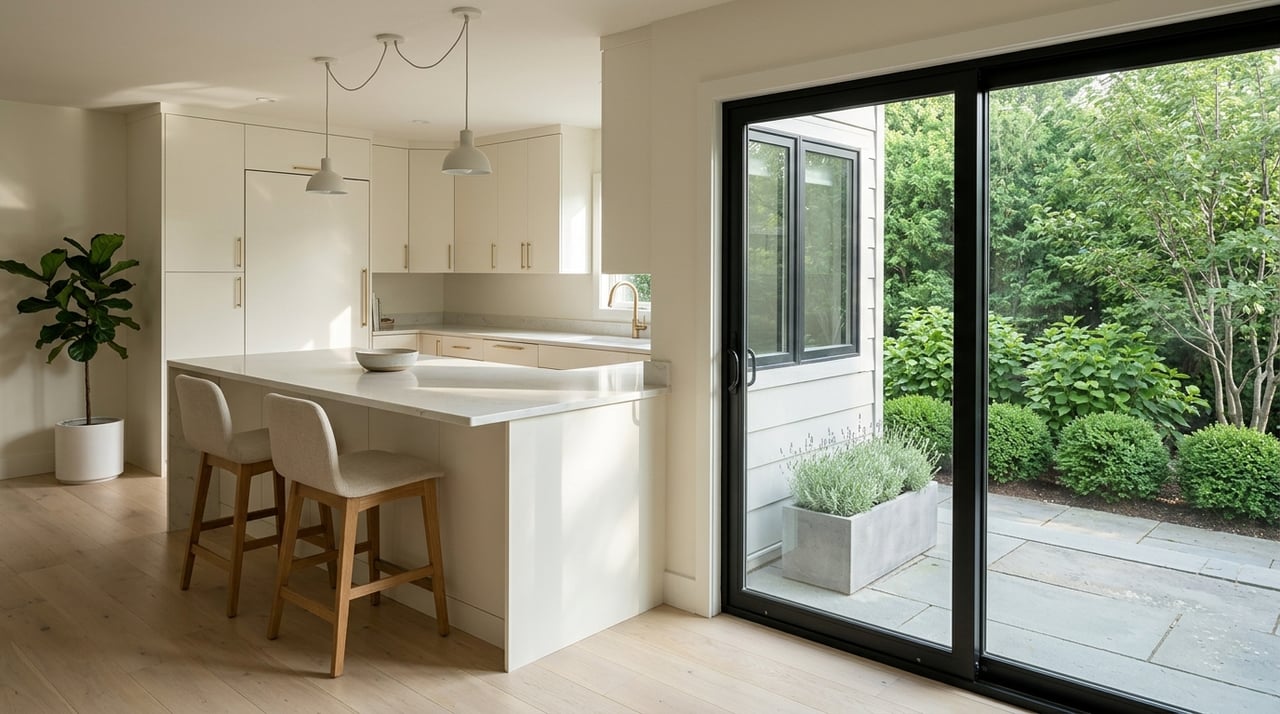
Kitchen and bath updates can absolutely make a difference. Fresh finishes, functional layouts, and clean presentation often help buyers feel more confident about a home. But the amount of value added depends on what buyers in Melville are actually paying for those features right now.
That is why a pricing strategy should compare your home to similar recently sold homes with a similar level of finish. The question is not just what you improved. The question is how your upgrades position the home against other options buyers have seen.
Presentation influences buyer perception
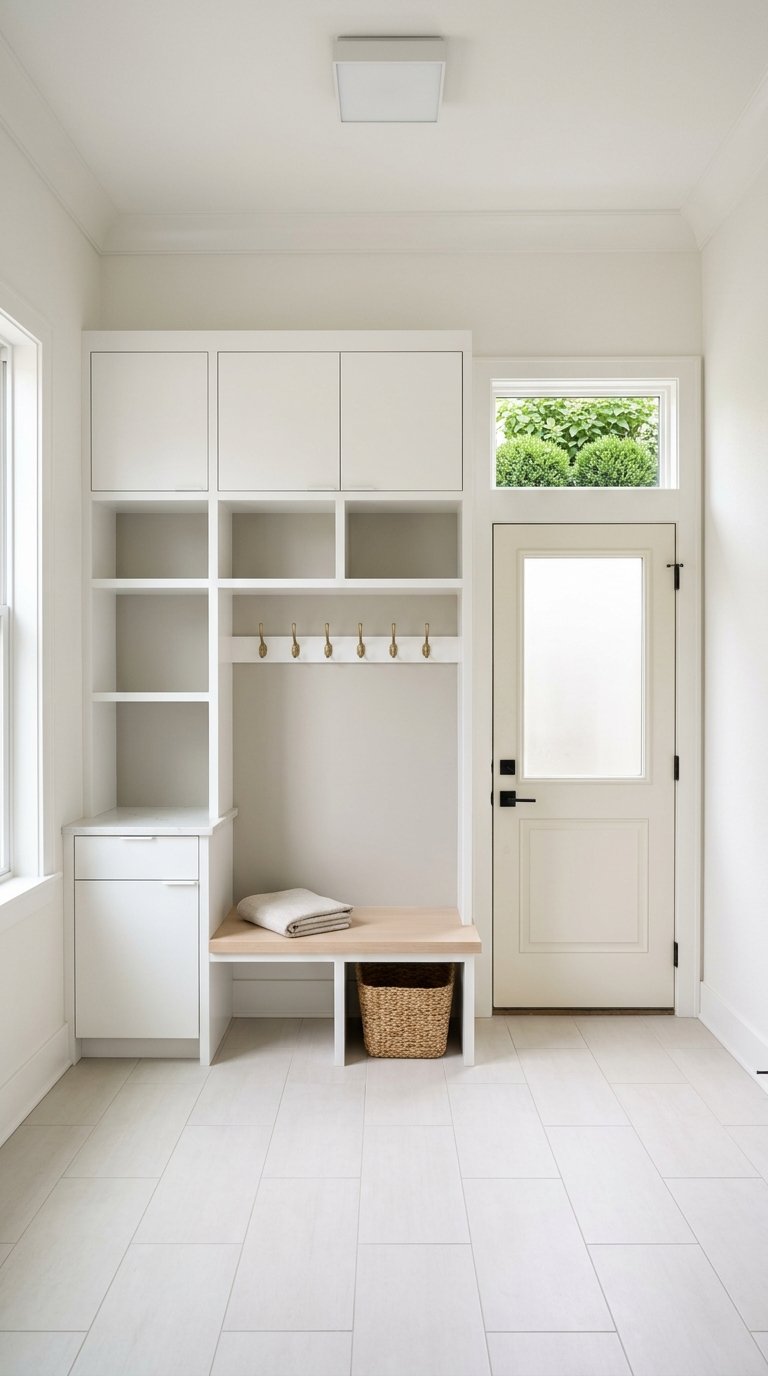
Presentation is not the same as permanent value, but it can shape the offers you receive. NAR defines staging as decluttering and styling a home to highlight its strengths. In its 2025 survey, 83% of buyers’ agents said staging makes it easier for buyers to visualize the property as their future home.
NAR also reported that staged homes often sold faster and received higher offers than unstaged homes. That matters because buyers do not always separate presentation from condition in their first impression. If a home feels clean, bright, and easy to understand, buyers may respond more strongly.
Why first impressions affect price
When buyers walk into a home that feels organized and well prepared, they often assume the property has been cared for overall. On the other hand, clutter, visual distractions, or unfinished small fixes can make buyers estimate future work more conservatively. That can put downward pressure on offers.
For Melville sellers, thoughtful preparation can be a real advantage. It helps your home compete more effectively, especially when buyers are comparing several homes in a similar price range.
Comparable sales are the backbone of valuation
The most important driver of home valuation is still the comparable sale set. The CFPB explains that valuations compare your home with similar homes in the same area and adjust for differences such as square footage, bedrooms, bathrooms, and year built. FHFA also notes that appraisers select the most similar properties and reconcile the adjusted sale prices into a final value estimate.
This is why two homes in the same neighborhood can still receive different results. If one has a different lot, condition, location influence, or set of upgrades, the comp analysis should reflect that.
Recent sales matter most
Fannie Mae guidance emphasizes that comparable sales should be recent and physically and locationally similar whenever possible. Older sales can still be used, but only with explanation and market-based adjustments. In a market that is active but not uniform, timing matters.
For you as a seller, that means the strongest pricing conversation usually starts with the most recent nearby sales that truly resemble your home. A larger home on a different kind of street or with a very different finish level may not be the right benchmark, even if it sold nearby.
Broad estimates miss the details
Automated online estimates can be convenient, but they cannot always read the details that matter most in Melville. They may not fully account for your exact street, your lot position, your school assignment, your home’s condition, or the way your finishes compare with recent sales. That is why they often serve as a rough starting point rather than a final answer.
A more useful valuation blends data with local interpretation. It looks at the sales that buyers and appraisers are most likely to view as true alternatives to your home.
What really drives your Melville home valuation
If you want the clearest possible answer, focus on the factors that buyers and appraisers consistently weigh together:
- Micro-location within Melville, including street setting, road exposure, and proximity to commercial areas
- School assignment and boundary-specific buyer appeal
- Condition of the home, including maintenance and overall quality of improvements
- Recent comparable sales that closely match your home’s size, layout, lot, and finish level
- Presentation that helps buyers understand the home quickly and positively
- Timing within the current market, since older sales may need adjustments
When these pieces are reviewed together, your pricing picture becomes much more accurate than a headline median or an automated estimate.
Why a personalized valuation matters
Your Melville home is not just a pin on a map. It sits on a specific street, in a specific setting, with a specific condition level and competitive position. That is why a personalized valuation is so much more useful than a one-size-fits-all estimate.
With the right local analysis, you can make better decisions about pricing, preparation, timing, and next steps. If you are thinking about selling and want a value opinion that reflects how buyers are likely to see your home in today’s Melville market, connect with Robyn Schatz for a personalized conversation.
FAQs
What factors affect a Melville home valuation most?
- The biggest factors are micro-location, school assignment, condition, recent comparable sales, presentation, and current market timing.
Why can two similar Melville homes have different values?
- Even if two homes have similar size and bedroom count, differences in street setting, lot influence, condition, upgrades, and school assignment can lead to different buyer demand and valuation outcomes.
Do home improvements increase Melville home value dollar for dollar?
- No. Improvements can help, but value depends on how the market reacts to those upgrades compared with similar homes, not on a flat reimbursement of project cost.
How important are comparable sales for pricing a home in Melville?
- Comparable sales are the foundation of valuation because they show what buyers recently paid for similar homes in the same area, with adjustments for meaningful differences.
Does staging help when selling a home in Melville?
- Yes. Research cited in this article shows that staging helps buyers visualize the home more easily and that staged homes often sell faster and receive higher offers.
Are online home value estimates accurate for Melville homes?
- Online estimates can be a useful starting point, but they may miss details like exact location, lot position, school assignment, condition, and how your home compares to recent nearby sales.